
 Traditions in Practice
Discovering morning practices, mealtime ceremonies, spiritual observances, evening transitions, and work breaks from diverse cultures that structure daily life, strengthen community bonds, and reveal fundamental values about time, family, and wellbeing.
 Traditions in Practice
Examining how traditional marriage customs adapt to modern contexts, including evolving dowry practices, arranged marriages in digital ages, interfaith ceremonies, gender role changes, and economic pressures simplifying wedding celebrations.
 Traditions in Practice
Understanding festivals as cultural experiments where communities test social norms, explore alternative identities, incubate artistic innovation, negotiate tradition with modernity, and build temporary communities that generate insights for collective living.
 Traditions in Practice
Analyzing how adolescent transition rituals from diverse cultures address identity formation, provide psychological benefits during development, face modern adaptation challenges, and maintain relevance by marking maturation in extended adolescence periods.
 Traditions in Practice
Investigating how traditional cultural practices transform in cities through spatial compression, temporal restructuring, commercialization, institutionalized transmission, hybrid innovations, and selective preservation strategies that maintain cultural continuity amid urbanization.
 Social Behavior Experiments
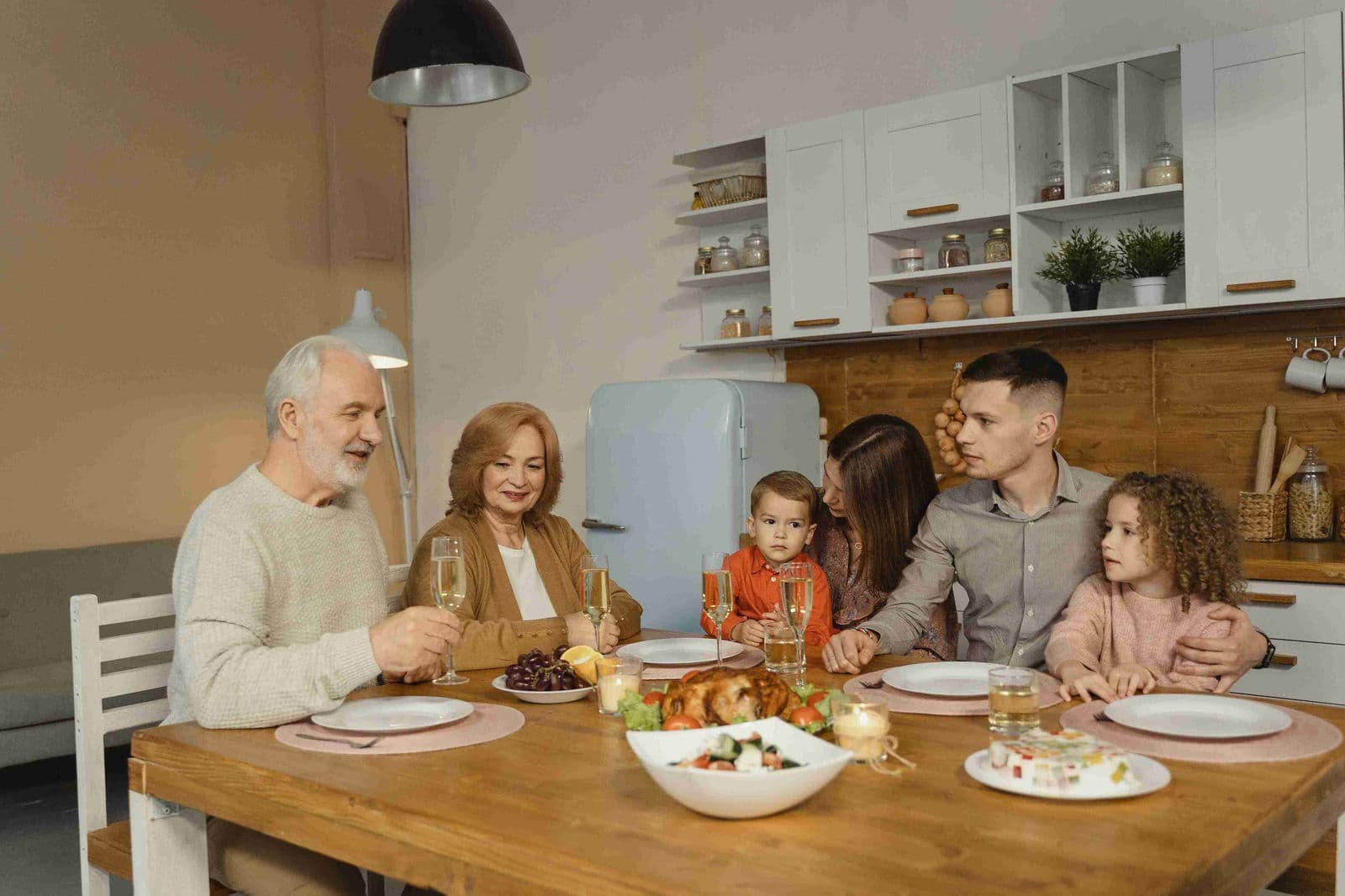
Examining how age shapes respect and authority dynamics in families, workplaces, and social settings, considering historical roots, cultural differences between collectivist and individualist societies, and evolving perspectives on generational power.
Traditions in PracticeInvestigating how traditional cultural practices transform in cities through spatial compression, temporal restructuring, commercialization, institutionalized transmission, hybrid innovations, and selective preservation strategies that maintain cultural continuity amid urbanization.
 Featured
Exploring how deliberate social interventions and controlled studies help researchers understand human behavior patterns, community responses to change, and the mechanisms driving modern society through empirical observation and systematic testing.