
 Social Behavior Experiments
Examining how strangers respond emotionally and behaviorally to unexpected acts of kindness in public spaces, including immediate reactions, pay-it-forward patterns, skepticism factors, and broader impacts on community social climate.
 Social Behavior Experiments
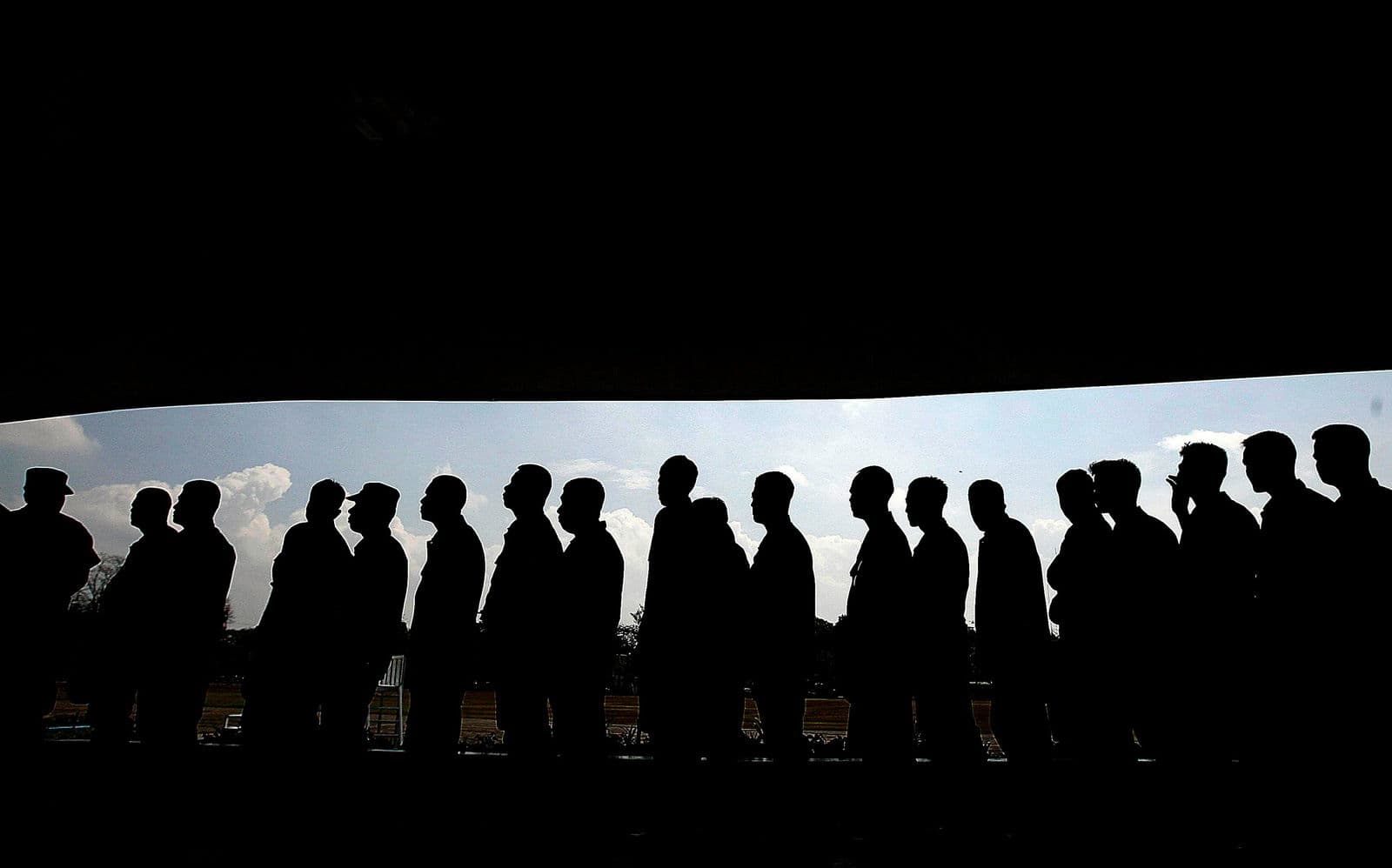
Analyzing why people follow or break line-waiting norms across different cultures, exploring psychological motivations, fairness perceptions, cultural variations in queuing etiquette, and how authority and technology influence compliance behaviors.
 Social Behavior Experiments
Understanding social norms surrounding communal dining and food exchange across cultures, including historical foundations, cultural variations in mealtime practices, reciprocity expectations, hierarchical protocols, and contemporary changes in sharing traditions.
 Social Behavior Experiments
Investigating how clothing choices influence initial perceptions of competence, trustworthiness, and social status through psychological mechanisms, color psychology, professional contexts, and cultural variations in interpreting dress and appearance.
 Social Behavior Experiments
Examining how age shapes respect and authority dynamics in families, workplaces, and social settings, considering historical roots, cultural differences between collectivist and individualist societies, and evolving perspectives on generational power.
Social Behavior ExperimentsInvestigating how clothing choices influence initial perceptions of competence, trustworthiness, and social status through psychological mechanisms, color psychology, professional contexts, and cultural variations in interpreting dress and appearance.
 Traditions in Practice
Investigating how traditional cultural practices transform in cities through spatial compression, temporal restructuring, commercialization, institutionalized transmission, hybrid innovations, and selective preservation strategies that maintain cultural continuity amid urbanization.
 Digital Culture Experiments
Understanding the psychological impact of digital silence when messages go unanswered, including rejection anxiety, relationship effects across contexts, sender perspectives behind non-response, and cultural differences in response expectations.